Say what's worth saying.
Recognise good work, raise what needs attention and find the words to say it clearly.

Home / How we help / Build better teams / Fearless Feedback
BUILD BETTER TEAMS · LEADERSHIP PROGRAM
Feedback isn't just for when things go wrong. It's how we help each other get better.
Good feedback helps people recognise what's working, understand what could improve and make meaningful changes.
Fearless Feedback gives leaders and teams a practical way to give and receive feedback with greater confidence, clarity and care.
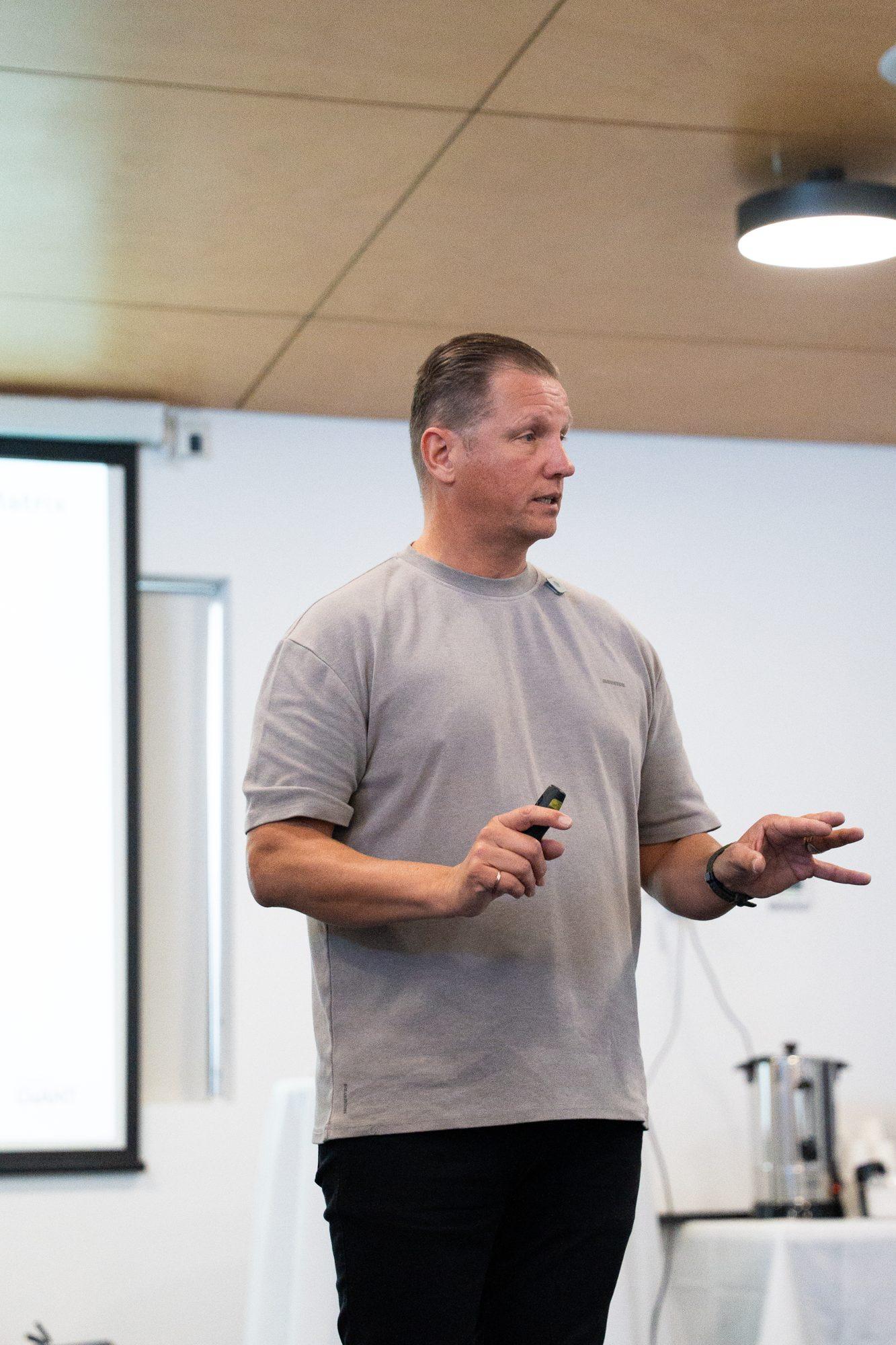
We've all had conversations about someone that would have been far more useful with them.
And we've probably missed opportunities to tell people what they're doing well, too.
Feedback works best when it's part of how we work together. When people feel able to speak honestly, listen openly and help each other improve.
It's not about getting every conversation perfect.It's about learning to have them well.
Recognise good work, raise what needs attention and find the words to say it clearly.
Listen with curiosity, understand different perspectives and become more open to feedback, even when it's uncomfortable.
Turn conversations into clear actions, better habits and meaningful changes in how people work together.
Fearless Feedback brings together five foundations and seven practical steps to help people prepare for feedback, have the conversation and follow it through.
You'll explore how to create safety, give feedback without blame, manage emotions and focus on behaviours that can change.
And you'll practise with real situations, not just listen to the theory.
Because the conversation isn't the change.What happens afterwards matters just as much.
Whether you're developing individual leaders or helping a team communicate more openly, Fearless Feedback gives people a practical approach they can use back at work.